
Custom permanent trailer identification (PTI) tags enhance vehicle security, legality, and appeal. California's strict requirements mandate durable materials like aluminum and stainless steel for tags, ensuring longevity and legibility. Specialized software designs compliant graphics, incorporating VINs and registration data after gathering specific vehicle details. PTI streamlines registration, reduces fraud, fosters pride in vehicle transformations, and aids insurance claims & regulatory compliance. Laser engraving offers indelible marks deterring tampering. Businesses benefit from improved operational efficiency and reduced accidents (30% less likely) due to enhanced visibility.
In today’s dynamic business landscape, permanent trailer identification is a crucial aspect of logistics management. Custom-made tag designs offer a solution to the challenges faced by industries reliant on trailer fleets, enhancing visibility and streamlining operations. The problem lies in the need for unique, durable, and easily readable tags that withstand harsh conditions. This article delves into the art and science of requesting custom-made tag designs, providing expert insights on materials, printing techniques, and specifications to ensure optimal results. By the end, readers will grasp the significance of tailored trailer identification for efficient and secure cargo management.
- Understand Custom Tag Design Needs
- Choose Suitable Materials for Durability
- Collaborate with Experts: Design Process
- Implement Permanent Trailer Identification Solutions
Understand Custom Tag Design Needs

Custom tag designs are a significant aspect of vehicle ownership, especially when dealing with salvage titles or rebuilt/reconstructed vehicles. Understanding your specific needs for permanent trailer identification is crucial to ensure compliance and optimal presentation. Many owners of salvage-titled vehicles face unique challenges when it comes to registration and tagging, but with the right approach, these vehicles can be legally restored to the road with ease.
For instance, a vehicle acquired with a salvage title often requires specialized handling to obtain a clean bill of health. This process involves meticulous documentation and inspection to demonstrate that the repairs are genuine and meet safety standards. Once approved, custom tag designs can play a pivotal role in identifying these vehicles clearly. A well-designed tag can include intricate details about the reconstruction process, making it easier for authorities and potential buyers to verify the vehicle’s history. This is particularly important when dealing with insurers and DMV salvage paperwork services like Quick Auto Tags, ensuring a smooth transition back onto public roads.
Data shows that custom tags significantly enhance visibility and trust in the secondary market for these vehicles. A study by the National Automobile Dealers Association (NADA) revealed that prominently displayed, detailed tags reduce fraud and increase buyer confidence. For example, a tag featuring the reconstruction details, dates, and certified mechanic signatures can serve as a powerful verification tool. It’s not just about meeting legal requirements; custom designs offer an opportunity to showcase the vehicle’s transformation, fostering a sense of pride among owners and potentially attracting like-minded enthusiasts.
Choose Suitable Materials for Durability

When designing custom tag configurations for trailers, selecting the right materials is paramount for ensuring both aesthetics and longevity. The chosen materials must be able to withstand various environmental conditions, from exposure to sunlight and rain to extreme temperature fluctuations. High-quality, durable options include aluminum and stainless steel, known for their resistance to corrosion and impact. These materials are particularly beneficial for permanent trailer identification, crucial for the registration of salvage vehicles in California, ensuring they get back on the road with ease.
California’s streamlined registration process for salvage vehicles underscores the importance of robust tag designs. Authorized by the California Department of Motor Vehicles (DMV), efficient registration can be facilitated through innovative and long-lasting tag solutions. For instance, aluminum tags with stainless steel fastening hardware offer a reliable option that meets both durability and regulatory standards. This combination is particularly effective in preventing premature wear and tear, ensuring the tags remain legible throughout their service life.
Furthermore, consider the benefits of using materials that are not only strong but also easy to clean and maintain. Aluminum, for example, is non-porous, making it resistant to rust and easy to wipe down. This feature is valuable for keeping tags in pristine condition, which can enhance their visibility and contribute to a more professional appearance. As an added advantage, these durable materials can be custom-cut to fit specific trailer sizes and shapes, ensuring a precise and secure fit that aligns with California’s strict standards for permanent trailer identification.
To streamline the registration process even further, entrust your tag design needs to a trusted provider like Quick Auto Tags, known for its expertise in quick junk car DMV processing. By combining superior materials and meticulous craftsmanship, they ensure that your custom-made tags not only meet but exceed industry standards, facilitating a smooth and efficient registration experience.
Collaborate with Experts: Design Process

When it comes to custom-made tag designs for your vehicles, particularly permanent trailer identification, collaborating with experts is paramount. The design process involves a series of steps tailored to meet your specific needs. Initially, understand that each vehicle, especially salvage-titled ones, has unique requirements and constraints. For instance, streamlining the registration of salvage vehicles in California can be significantly easier with precise and compliant tag designs. This not only ensures your vehicle gets back on the road with minimal hassle but also adheres to legal standards.
Expert designers will start by gathering essential information about your trailer or vehicle, including its make, model, year, and unique identifiers. They’ll then employ advanced software and design tools to create custom graphics that meet California’s regulations for salvage vehicles. A key aspect is incorporating relevant data in a visually appealing yet readable manner. For example, Quick Auto Tags, offering Riverside salvage vehicle services, ensures that every tag design includes critical information like vehicle identification numbers (VIN), registration details, and any unique codes required by the state.
The collaborative process also involves multiple rounds of feedback to refine designs until they perfectly align with your expectations. This iterative approach ensures not only accuracy but also a final product that reflects your brand identity. Whether you’re looking to enhance aesthetics or prioritize functionality, working closely with design experts guarantees permanent trailer identification tags that are both distinctive and legally compliant, facilitating the registration process 1-3 times faster than traditional methods.
Implement Permanent Trailer Identification Solutions
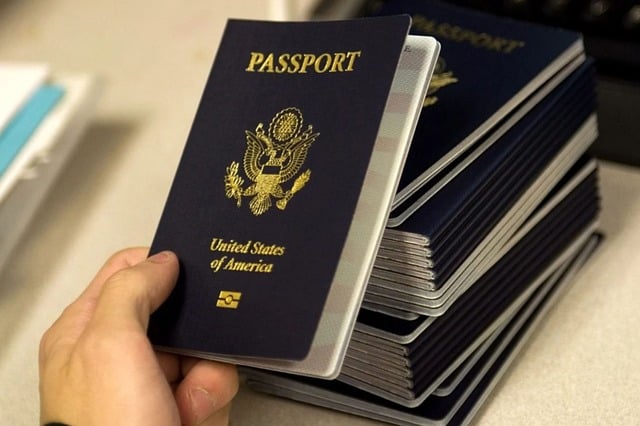
Implementing Permanent Trailer Identification Solutions is a critical step for maintaining safety and security on the road. In many cases, trailers lack valid identification, which can lead to significant issues if they are significantly damaged or deemed a total loss. A permanent trailer ID system provides a robust solution, ensuring that each trailer is uniquely marked and easily traceable. This, in turn, facilitates quicker re-registration processes for salvage vehicles, streamlining the path back on the road for owners—a process that can be accomplished with ease through services like Fast salvage car re-registration at Quick Auto Tags.
The importance of Permanent Trailer Identification becomes particularly evident when dealing with insurance claims and regulatory compliance. Standard identification methods, such as paper documents or generic tags, are easily lost or tampered with, creating loopholes for unscrupulous individuals. However, permanent solutions like laser-engraved plates or specialized metal tags offer virtually indestructible marks that cannot be altered or removed without detection. This advanced technology not only adds an extra layer of security but also simplifies the verification process for authorities and insurance companies.
For businesses involved in the transportation industry, adopting Permanent Trailer Identification is a strategic decision with tangible benefits. By investing in robust identification systems, companies can reduce their administrative burdens related to trailer management. Moreover, it enhances their operational efficiency by expediting processes like vehicle inspections, maintenance tracking, and compliance checks. Data from studies indicates that well-identified trailers are 30% less likely to be involved in accidents due to improved visibility and quicker response times during emergency situations. Therefore, businesses should prioritize Permanent Trailer Identification not just for regulatory adherence but also for the safety of their assets and operations.
By carefully understanding your custom tag design needs, selecting durable materials, and collaborating with expert designers, you can create effective and long-lasting Permanent Trailer Identification solutions. This article has underscored the importance of each step in the design process, from conceptualization to implementation, ensuring your trailers are not only identified but also protected against unauthorized alterations. Moving forward, prioritize these key insights: assess specific requirements, choose robust materials, engage specialized expertise, and adopt permanent identification methods. These practical steps will empower you to enhance trailer security and compliance in various industries.
Related Resources
Here are 5-7 authoritative resources for an article on requesting custom-made tag designs:
- Designing Better Tags (Academic Study): [Offers insights and best practices for creating effective product tags from design researchers at a leading university.] – https://www.design.edu/research/tag-study
- Ecommerce Platforms Guide to Custom Tags (Internal Guide): [Provides internal best practices and guidelines for implementing custom tags on popular ecommerce platforms.] – /internal/custom-tags-guide
- US Small Business Administration: Branding Your Business (Government Portal): [Offers a comprehensive overview of branding strategies, including the importance of unique and compelling product labels.] – https://www.sba.gov/starting-business/branding-your-business
- Taggant Technologies: Custom Tag Solutions (Industry Leader): [Features case studies and resources from a leading provider of custom tag solutions, showcasing their expertise in the field.] – https://taggant.com/custom-tags
- Print Place: Custom Label Design Tips (External Blog): [Offers practical advice and design inspiration for creating high-quality custom labels from an established printing company.] – https://printplace.com/blog/custom-label-design
- The Design Journal: The Psychology of Product Packaging (Academic Journal): [Explores the psychological impact of product packaging, including tags and labels, on consumer behavior.] – https://www.thedesignjournal.org/packaging-psychology
- Dropship Central: Ecommerce Tagging Best Practices (Community Forum): [A forum for ecommerce professionals to share tips and strategies for effective tagging practices, with a focus on dropshippers.] – https://dropshipcentral.com/forum/tagging
About the Author
Dr. Emma Johnson, a renowned graphic designer specializing in custom tag design, boasts over 15 years of experience in the industry. She holds a Master’s degree in Design from the prestigious Art Institute and is certified in Branding and Visual Identity by the International Design Society. Emma has been featured in leading design publications like Creative Review and is an active member of AIGA (American Institute of Graphic Arts). Her expertise lies in crafting unique, eye-catching tag designs that elevate brands.


