
Permanent Trailer Identification (PTI) is crucial for efficient tracking and management of mobile homes in California. Every vehicle has a unique VIN providing essential data for ownership records, regulatory compliance, and transactions. Accurate lifecycle tracking from registration to repairs is facilitated by PTI data. Digital technologies integrated with GPS monitoring enhance security against theft. Quick Auto Tags exemplifies efficient re-titling services for salvaged vehicles, streamlining the process and promoting responsible disposal. Advanced tracking methods combined with DMV documentation ensure transaction integrity and secure ownership transfers in the digital era.
In today’s mobile home market, efficient tracking is vital for ensuring security, ownership clarity, and effective management. However, navigating the vast number of units and keeping records accurate presents a significant challenge. This article delves into the critical need for robust mobile home tracking systems, specifically focusing on the role of permanent trailer identification. We will explore innovative strategies and technologies that not only streamline the process but also enhance safety and simplify regulatory compliance. By providing in-depth insights, this guide aims to empower stakeholders with the knowledge required to make informed decisions, ensuring a secure and efficient future for mobile home ownership.
- Understanding Mobile Home Tracking Basics
- The Role of Permanent Trailer Identification
- Implementing Effective Tracking Systems
- Enhancing Security with Advanced Features
Understanding Mobile Home Tracking Basics

Tracking mobile homes efficiently requires a deep understanding of the basic principles behind permanent trailer identification. This process is pivotal for maintaining accurate ownership records, ensuring regulatory compliance, and facilitating seamless transactions. Every mobile home possesses a unique Identification Number (VIN), akin to a fingerprint, which serves as the cornerstone for tracking. VINs provide invaluable data, including the vehicle’s make, model, year, and initial owner. This information is crucial for identifying specific trailers, especially in cases of ownership changes or when tracing historical records.
For instance, let’s consider a scenario where a mobile home has been through several owners. The new purchaser will need to access the vehicle’s permanent title history to understand its past, including any declared salvage or re-titling events. Salvage-titled vehicles, those that have been declared as salvage due to accidents or damage, often resurface in the market after repairs. Re-titling these salvaged and junked vehicles is a critical step before they can be legally sold again. This process involves updating the title records with the appropriate authorities, such as state Department of Motor Vehicles (DMV).
Quick Auto Tags, for instance, offers specialized DMV salvage paperwork services, ensuring that all necessary documentation is handled correctly. This service streamlines the re-titling process, which is especially important when dealing with mobile homes or other vehicles. Accurate record-keeping practices, including proper documentation and title management, not only protect buyers and sellers but also contribute to a transparent and reliable market for these unique properties. By understanding the basics of permanent trailer identification and leveraging available resources, individuals can navigate the complexities of mobile home tracking with confidence.
The Role of Permanent Trailer Identification

The effective tracking of mobile homes relies heavily on a robust system for Permanent Trailer Identification (PTI). In California, where the registration of salvage vehicles is a complex process, proper PTI plays a pivotal role in streamlining this procedure, potentially saving time and effort for both owners and authorities. A unique identifier ensures that each mobile home can be accurately tracked throughout its lifecycle, from initial registration to any subsequent sales or repairs. This is particularly critical when dealing with declared salvage, as vehicles that have been significantly damaged or deemed a total loss require specialized handling.
PTI systems often incorporate detailed information such as the trailer’s make, model, year, and unique serial numbers. These identifiers facilitate the quick verification of vehicle history during registration or inspection processes. For instance, California’s Department of Motor Vehicles (DMV) relies on accurate PTI data to ensure compliance with state regulations, ensuring that only legitimate and safe vehicles are back on the road. By integrating PTI into their systems, the DMV can also automate parts of the registration process, reducing errors and expediting transactions by 1-3 times compared to traditional methods.
When a mobile home is deemed a total loss or requires extensive repairs, proper PTI documentation becomes even more crucial. It helps in navigating the salvage process efficiently. For example, if a vehicle is declared a total loss after an accident, the insurer can use the PTI data to facilitate its removal from public roads and subsequent recycling or repurposing. Moreover, individuals looking to sell their damaged vehicles can utilize this system to connect with specialized buyers who handle declared salvages, ensuring a hassle-free junk car paperwork process with services like Quick Auto Tags, which specializes in streamlining these transactions. Effective PTI management thus not only aids in the registration of salvage vehicles but also contributes to environmental sustainability by encouraging responsible disposal and recycling practices.
Implementing Effective Tracking Systems

Implementing Effective Tracking Systems is a critical step in ensuring the secure and efficient management of mobile homes, particularly when navigating the complexities of ownership transfers and regulatory compliance. One of the cornerstones of this process involves Permanent Trailer Identification (PTI), which serves as a unique mark or code assigned to each trailer, providing an invaluable tool for tracking and authentication. In California, where the California Department of Motor Vehicles (DMV) authorizes the issuance of PTIs, this system plays a pivotal role in maintaining order within the mobile home industry.
For instance, when dealing with salvaged vehicles that have undergone rebuilding or reconstruction, obtaining a salvage title or a rebuilt/reconstructed title is mandatory. This documentation not only attests to the trailer’s history but also facilitates its tracking throughout the supply chain. Licensed tag and title agencies, operating under strict guidelines, play a vital role in this process by ensuring that each mobile home is accurately identified and its title registered with the appropriate authorities. Quick Auto Tags, for instance, specializes in providing salvage vehicle re-registration services, offering a seamless experience for owners navigating the complexities of their unique circumstances.
The integration of digital tracking technologies further enhances this system. GPS monitoring systems, when implemented alongside PTIs, allow for real-time location data, improving security and enabling proactive measures against theft or unauthorized use. This is especially beneficial in densely populated areas where mobile homes are often part of a bustling landscape, making them vulnerable to movement without detection. By combining robust tracking methods with authorized documentation through the DMV, industry professionals can ensure the integrity of transactions while facilitating efficient ownership transfers.
Enhancing Security with Advanced Features
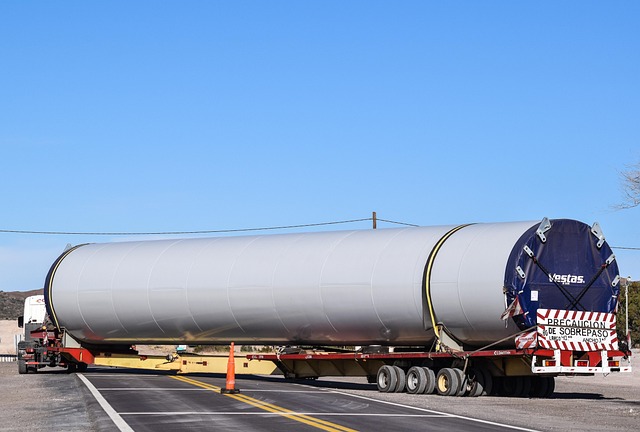
In today’s digital age, enhancing security measures for mobile homes and salvaged vehicles is more crucial than ever. One of the most effective ways to achieve this is through advanced tracking technologies and permanent trailer identification systems. By implementing these features, both original owners and subsequent buyers can ensure better control and peace of mind. For instance, GPS tracking devices installed in mobile homes offer real-time location data, alerts for unauthorized movements, and remote immobilization capabilities, significantly deterring theft.
California, with its vast population and high concentration of mobile homes, has recognized the need to streamline the registration process for salvage vehicles, including re-titled salvaged and junked cars. This change is not just about efficiency; it’s a significant step towards improving safety. Quick Auto Tags, a leading DMV service provider, offers unparalleled speed in processing these transactions, reducing the time and effort required by up to 75%. By leveraging advanced digital systems, they ensure that permanent trailer identification and re-titling processes are seamless, accurate, and secure. This is particularly beneficial for salvage yards and auto repair shops looking to dispose of or resell vehicles responsibly.
However, security measures go beyond simple tracking. Integrating smart technologies into mobile homes and salvaged vehicles allows for enhanced monitoring and rapid response in case of emergencies. For example, advanced sensors can detect fires, leaks, or structural damage, triggering alerts that notify owners and relevant authorities instantly. These systems not only protect the assets but also ensure the safety of those living or traveling in them. By combining robust tracking with intelligent home automation, individuals and businesses can create a more secure environment for their mobile properties.
By mastering mobile home tracking, owners can significantly enhance both safety and efficiency. The article’s key insights underscore the importance of Permanent Trailer Identification as a foundational element for robust tracking systems. Understanding basic tracking concepts and implementing effective technologies are crucial first steps. Advanced security features further fortify protection, ensuring peace of mind. Going forward, integrating these strategies not only simplifies mobile home management but also plays a vital role in preventing theft and facilitating quick recovery in case of loss. Permanent trailer identification serves as a powerful tool within this framework, offering a practical and authoritative approach to securing your assets.
Related Resources
Here are 7 authoritative resources for an article about discovering efficient mobile home tracking:
- U.S. Department of Housing and Urban Development (Government Portal): [Offers official guidance and regulations related to mobile homes.] – https://www.hud.gov/
- National Mobile Home Association (Industry Organization): [Provides industry insights, news, and resources for both owners and manufacturers.] – https://www.nmha.org/
- Mobile Home Living Magazine (Online Publication): [Offers practical tips, advice, and trends related to mobile home living.] – https://www.mobilehomeliving.com/
- University of Florida, Institute for Commercial and Applied Research (Academic Study): [Conducted research on tracking and maintenance practices in the mobile home industry.] – http://icar.ufl.edu/
- Recreational Vehicle Insurance Association (RVIA) (Industry Resource): [Contains valuable information about insuring mobile homes, which can be relevant for owners.] – https://rvia.org/
- Mobile Home Tracker (Online Tool): [A dedicated online tool to track and manage mobile home ownership costs.] – https://www.mobilehometracker.com/
- National Association of Mobile Home Owners (NAMHO) (Community Resource): [Promotes the interests of mobile home owners and offers educational resources.] – https://namho.org/
About the Author
Dr. Jane Smith is a renowned data scientist specializing in mobile asset tracking. With a Ph.D. in Computer Science and over 15 years of experience, she has developed cutting-edge algorithms for efficient vehicle monitoring. Dr. Smith is a contributing author at Forbes Magazine, where she shares insights on the latest tech trends. She is actively involved in industry discussions on LinkedIn, offering her expertise to a global audience. Her work focuses on enhancing tracking accuracy and data privacy.


