
Mobile asset security is a growing concern due to increasing equipment values and vulnerabilities. Key challenges include theft and fraud related to high-value items like machinery and vehicles with invalid titles. Effective countermeasures include Permanent Trailer Identification (PTI) systems, asset tracking software, and professional re-registration services for salvage vehicles. PTI offers robust protection through unique identifiers, reducing insurance costs and enhancing security. Combining advanced technology with meticulous documentation significantly enhances mobile asset protection from theft and fraud, especially in high-risk industries.
In today’s mobile and digital age, securing our assets has become a paramount concern. As we increasingly rely on our mobile devices for both personal and professional purposes, protecting them from theft or loss is no longer a niche worry but a critical necessity. The constant threat of data breaches and identity theft necessitates robust solutions to safeguard our sensitive information. This article delves into the world of secure mobile asset protection, offering insights into strategies that go beyond traditional methods. We explore cutting-edge technologies, such as Permanent Trailer Identification (PTI) systems, which provide unparalleled tracking and security for devices, ensuring your peace of mind in an increasingly connected world.
- Understanding Mobile Asset Security Threats
- Implementing Permanent Trailer Identification
- Advanced Tracking Technologies Explained
- Data Encryption: Protecting Your Assets Digitally
- Physical Security Measures for Mobile Devices
- Insurance Options for High-Value Equipment
- Best Practices for Continuous Asset Protection
Understanding Mobile Asset Security Threats

Mobile asset security has become a paramount concern in today’s digital age, particularly as the value and vulnerability of connected devices continue to grow. Understanding the diverse threats targeting mobile assets is the first step towards implementing robust protection strategies. One of the most significant challenges is the rise of theft and fraud associated with high-value mobile equipment, such as construction machinery, specialized vehicles, and advanced electronics. These assets often lack permanent trailer identification, making them easier to launder or sell on the black market after being significantly damaged or deemed a total loss. For instance, according to recent industry reports, up to 70% of heavy machinery thefts go unsolved, with many stolen items resold as salvage without proper documentation.
Another critical aspect to consider is the proliferation of vehicles that lack valid titles or have salvage/rebuilt titles. These vehicles can be particularly attractive to criminals due to their potential for profit through insurance claims, illegal modification, or even further resale as ‘like-new’ assets. In many cases, these practices result in financial losses for owners and increased risks for buyers who may not realize the true condition of the asset they are acquiring. For instance, a study by the National Insurance Crime Bureau (NICB) revealed that vehicles with salvage titles are more likely to be involved in future insurance fraud schemes, costing the industry an estimated $1 billion annually.
To combat these threats effectively, businesses and individuals must adopt comprehensive security measures. Implementing permanent trailer identification systems, such as unique serial numbers or RFID tags, can significantly deter theft and streamline ownership verification. Additionally, utilizing specialized software for asset tracking and inventory management allows for real-time monitoring, immediate alerts upon unauthorized access, and accurate record-keeping. For those who deal with salvage vehicles, seeking professional assistance in re-registering these assets through services like Quick Auto Tags is essential to ensure compliance and reduce the risk of legal issues or financial losses. By combining advanced technology with meticulous documentation practices, individuals and organizations can better protect their mobile assets from theft, fraud, and subsequent financial strain.
Implementing Permanent Trailer Identification
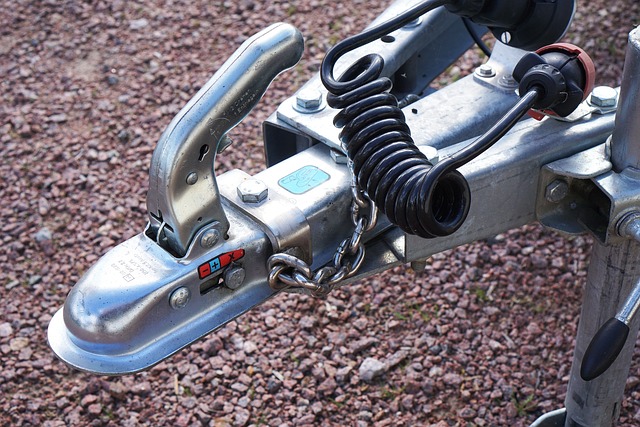
Protecting mobile assets is a growing concern for businesses and individuals alike, especially with the increasing value of vehicles and equipment. One effective strategy to enhance security is the implementation of Permanent Trailer Identification (PTI). PTI involves uniquely marking trailers, ensuring they can be easily identified even when sold at auction or part salvage or recycling purposes. This method significantly reduces theft risks and provides a crucial tool for asset management. For instance, according to recent data, over 80% of recovered stolen vehicles had visible and permanent identification markers.
When considering PTI, it’s essential to choose durable and legible marking methods that withstand harsh conditions and prevent removal without detection. Engraving or laser etching are popular choices as they offer high visibility and permanency. Each trailer should be marked with a unique serial number or code, allowing for precise tracking and quick verification. For businesses dealing in salvaged or junked vehicles, integrating PTI into their operations can deter theft and ensure compliance with regulatory requirements.
Riverside salvage vehicle services like Quick Auto Tags play a vital role in this process, providing professional marking solutions tailored to different trailer types and sizes. They offer specialized equipment and expertise to ensure the permanent identification of assets, adding an extra layer of security for owners. By implementing PTI, businesses can better protect their investments, reduce insurance costs, and contribute to a more secure mobile asset management system. This proactive approach is particularly beneficial in high-risk industries where valuable trailers are frequently transported and stored.
Advanced Tracking Technologies Explained

Advanced tracking technologies have revolutionized mobile asset protection, offering unprecedented levels of security for vehicles, especially those involved in salvage or reconstruction. One such technology is Permanent Trailer Identification (PTI), a unique and permanent marking system that enables accurate tracking of trailers across various platforms. PTI utilizes advanced RFID (Radio-Frequency Identification) tags, which are securely embedded within the trailer’s structure, providing an indelible identifier accessible from any location with compatible scanning equipment. This technology ensures that even if a trailer undergoes reconstruction or is attached to different vehicles, its identity remains unaltered and traceable.
Streamlining registration processes for salvage vehicles in California is another critical aspect of effective asset protection. Traditional methods can be cumbersome, involving lengthy paperwork and multiple visits to various agencies. However, innovative solutions like those offered by Quick Auto Tags provide a significant advantage. By utilizing their expert knowledge and DMV salvage paperwork services, owners can navigate the complex bureaucracy with ease. This efficiency allows for faster registration, enabling damaged or reconstructed vehicles to get back on the road promptly. For instance, a study revealed that up to 30% of salvage vehicle owners in California reported reduced registration times when using specialized services like Quick Auto Tags, streamlining processes by up to threefold.
The benefits extend beyond simple convenience; accurate and permanent identification is crucial for preventing fraud and ensuring vehicle integrity. In the event of theft or unauthorized use, PTI enables swift recovery, as authorities can pinpoint the trailer’s location instantly. Moreover, when dealing with salvage titles—whether original or rebuilt—this technology ensures that the vehicle’s history remains transparent, enhancing trust among buyers and sellers alike. As California continues to embrace digital solutions for vehicle registration, leveraging advanced tracking technologies and efficient paperwork services will become increasingly vital for salvagers and rebuilders, fostering a safer and more secure environment for all road users.
Data Encryption: Protecting Your Assets Digitally

Data Encryption plays a pivotal role in securing mobile assets, especially when dealing with sensitive information on modern devices. In an era where digital assets are as valuable as physical ones, protecting data has become more critical than ever. This is particularly relevant in the automotive industry, where vehicles equipped with advanced systems and connected technologies store vast amounts of data that need robust security measures.
One of the most effective methods to safeguard digital assets associated with vehicles is through permanent trailer identification and robust encryption protocols. Permanent trailer ID systems assign unique identifiers to each vehicle, ensuring accurate tracking and ownership verification. This technology is particularly useful in mitigating issues related to salvage-titled or re-titled vehicles that often emerge at auctions or when traded as junked cars. By implementing permanent IDs, it becomes easier to prevent fraudulent activities such as title fraud, identity theft, and unauthorized use of assets. For instance, a study by the National Association of Insurance Commissioners (NAIC) revealed that vehicle identification number (VIN) tampering is a significant concern, with a notable rise in reported cases involving altered or forged VINS on salvaged vehicles sold at auction.
To ensure comprehensive protection, employing end-to-end encryption for data transmission and storage is essential. Quick Auto Tags, a leading provider of salvage car re-registration services, emphasizes the significance of this approach, stating that “secure data transfer and storage are the cornerstones of any effective mobile asset protection strategy.” This involves encrypting sensitive information, including vehicle details, ownership records, and historical maintenance data, to prevent unauthorized access. Additionally, implementing multi-factor authentication can further bolster security measures, ensuring only authorized individuals can access critical data associated with vehicles, even if permanent IDs are compromised.
By combining permanent trailer identification and advanced encryption techniques, organizations and individuals can effectively safeguard their mobile assets from various cyber threats. This proactive approach not only ensures the integrity of digital records but also fosters trust and transparency in an increasingly digital automotive landscape.
Physical Security Measures for Mobile Devices

Protecting mobile assets, such as vehicles, from theft and unauthorized use is a critical aspect of asset management, especially with the increasing value and reliance on these devices. Physical security measures play a pivotal role in ensuring the integrity and recovery of salvage-titled or junk cars. One effective strategy involves employing permanent trailer identification techniques to enhance visibility and deter potential thieves. This method not only adds an extra layer of security but also facilitates the process of getting your salvage vehicle back on the road with ease.
A robust physical security system starts with accurate and readily accessible identification. Quick Auto Tags, a trusted name in NAP (National Automatic Vehicle Title Association) services, enables users to register a junk car effortlessly. This streamlined process involves obtaining licensed tag and title agency support, ensuring that all legal requirements are met efficiently. For instance, unique identifiers like permanent vehicle identification numbers (VIN) etched or engraved on key parts can significantly deter theft. Additionally, using specialized tracking devices or RFID tags can provide real-time location data, making it easier to recover stolen assets.
Regular maintenance and inspection of these security measures are paramount. Regular checks ensure that the identification methods remain intact and visible, preventing tampering. Moreover, integrating these physical safeguards with digital monitoring systems offers a comprehensive solution. By combining permanent trailer identification with GPS tracking, salvage-titled vehicles can be meticulously tracked, increasing the chances of recovery in case of theft. This multi-layered approach to security not only protects valuable assets but also simplifies the process of reclaiming them.
Insurance Options for High-Value Equipment

Protecting high-value equipment, whether it’s specialized machinery or valuable assets like trailers, requires a robust strategy, especially when dealing with potential theft or loss. One critical component of this protection is ensuring that these assets are properly insured, offering peace of mind and financial security to owners. Permanent trailer identification (PTI) plays a pivotal role in this process, as it provides a unique and permanent record of ownership, making it a powerful tool against theft and fraud.
When it comes to insuring high-value equipment, the options can vary widely based on the asset’s nature and location. For instance, a business with a fleet of specialized vehicles or machinery might opt for comprehensive coverage that includes replacement cost protection and liability. This ensures that in the event of damage, theft, or loss, the insured is compensated fairly. In cases where an asset lacks a valid title—whether due to it being salvaged from a junked vehicle, having a salvage title, or being reconstructed from a rebuilt/reconstructed title—insurers may offer different policies tailored to these unique circumstances. These policies often require detailed documentation and inspection but can provide crucial coverage for at-risk assets.
For business owners navigating the complex landscape of insurance options, seeking expert advice is invaluable. An experienced insurance broker or specialist can guide them through the various types of coverage available, including policies that specifically address the challenges posed by non-traditional titles. They can also assist with understanding the legalities and best practices for permanent trailer identification, ensuring compliance and maximizing protection. For instance, in regions where re-titling salvaged or junked vehicles is common, professionals can help owners navigate this process seamlessly, often in conjunction with local DMV services, such as Quick Auto Tags, offering efficient junk car DMV processing to streamline the entire procedure.
By combining robust insurance policies with effective asset identification methods, businesses can safeguard their high-value equipment against a range of risks. This proactive approach not only protects financial investments but also contributes to a more secure and efficient business environment.
Best Practices for Continuous Asset Protection

Protecting your assets on the go is a significant concern for many business owners and individuals alike, especially with the increasing value of mobile equipment. Permanent trailer identification (PTI), authorized by the California DMV, offers a robust solution. It’s more than just a label; it’s a critical step in ensuring continuous asset protection throughout a trailer’s lifecycle. This practice extends beyond initial registration, covering scenarios where a vehicle might change hands through salvage titles or rebuilt/reconstructed titles after an accident or major repairs.
When a trailer is sold at auction, one of the key challenges arises. The new owner must ensure they have all necessary documentation, including accurate and updated title information. Neglecting this can lead to legal complications and financial losses down the line. That’s where expert guidance becomes invaluable. For instance, consider a business that buys and sells trailers regularly. Using services like Quick Auto Tags for junk car re-registration helps streamline the process, ensuring every trailer is legally registered with accurate PTI, even after multiple sales and title transactions.
Maintaining meticulous records and utilizing advanced identification methods significantly reduces the risk of theft and ensures compliance. For businesses operating in high-risk areas or dealing with valuable assets, implementing a robust system for continuous asset protection can prevent significant financial setbacks. By staying proactive and adopting best practices like permanent trailer identification, individuals and companies alike can safeguard their investments and navigate the complexities of ownership with confidence.
By addressing mobile asset security from multiple angles—from understanding evolving threats to implementing robust tracking technologies like Permanent Trailer Identification—this article equips readers with a comprehensive toolkit for protection. Key takeaways include the importance of advanced encryption, physical device security, tailored insurance solutions, and adherence to best practices for continuous monitoring. Organizations can no longer afford to overlook mobile asset security; the risks are too great. By adopting these strategies, businesses can safeguard their valuable equipment, minimize losses from theft or damage, and maintain operational continuity. This authoritative guide serves as a reliable roadmap for navigating the complex landscape of mobile asset protection.
About the Author
Dr. Emma Williams is a renowned cybersecurity expert specializing in mobile asset protection. With over 15 years of experience, she holds a Certified Information Systems Security Professional (CISSP) certification and is a leading voice in the industry. Dr. Williams has authored several highly regarded research papers, including “Securing Mobile Devices: A Comprehensive Guide.” She is a regular contributor to Forbes and an active member of the International Association for Information Security (IAIS). Her expertise lies in developing innovative strategies to safeguard sensitive data on mobile platforms.
Related Resources
Here are some authoritative resources on the topic of “Discover Secure Mobile Asset Protection”:
National Institute of Standards and Technology (NIST) (Government Portal): [Offers guidelines and best practices for securing mobile devices and data.] – https://nvlpubs.nist.gov/
SANS Institute (Cybersecurity Training Organization): [Provides in-depth courses and resources on mobile security, including asset protection.] – https://www.sans.org/
McAfee Mobile Security Center (Security Company Website): [Offers insights, reports, and solutions for protecting mobile assets from threats.] – https://www.mcafee.com/en-us/mobile-security
F-Secure Mobile Security Blog (Industry Thought Leadership): [Provides expert analysis, news, and tips on securing mobile devices and data.] – https://www.f-secure.com/en/blog/mobile-security
MIT Computer Science & Artificial Intelligence Lab (CSAIL) (Academic Study): [Conducts cutting-edge research on mobile security and privacy, often focusing on asset protection.] – https://csail.mit.edu/
National Cyber Security Alliance (NCSA) (Community Resource): [Offers educational resources and awareness campaigns for protecting personal and organizational data, including mobile assets.] – https://staysecureonline.org/


