
Understanding trailer plate validity is crucial for safe and legal road conditions in California. Permanent Trailer Identification (PTI) serves as a unique vehicle marker, aiding registration and inspection. Valid titles prevent legal issues. Services like Quick Auto Tags offer efficient PTI verification, enhancing vehicle management. This system tracks trailers, distinguishes legitimate vehicles, and combats fraud. Digital platforms streamline processes, benefiting personal & commercial owners. California mandates accurate registrations to avoid penalties. Salvage vehicles require plate validity for re-registration. Follow a structured process for accurate trailer plate verification.
In today’s world, ensuring trailer plate validity is more crucial than ever. This comprehensive guide explores the significance of permanent trailer identification in maintaining safety and security on our roads. We delve into the key role it plays in regulatory compliance, offering insights on efficient verification processes and best practices. Understanding trailer plate validity is essential for all stakeholders, from fleet managers to law enforcement, aiming to streamline operations while upholding legal standards.
- Understanding Trailer Plate Validity
- The Role of Permanent Identification
- Verifying Trailers for Safety and Security
- Streamlining Processes: Efficient Verification
- Legal Implications and Compliance
- Best Practices for Effective Trailing Plate Check
Understanding Trailer Plate Validity

Understanding Trailer Plate Validity is paramount for both vehicle owners and authorities to ensure safe and legal roads. Each trailer plate is designed as a Permanent Trailer Identification, serving as a unique mark that links directly to the vehicle’s information in state records. This system is crucial for identifying vehicles during sales or transfers, especially when a trailer is sold at auction. It also plays a vital role in streamlining the registration of salvage vehicles in California and other states.
A key aspect to keep in mind is that every trailer plate must be accompanied by a valid title, ensuring the vehicle’s ownership is clear. If a trailer lacks a valid title, it can lead to legal complications during registration or inspection. To simplify this process, services like Quick junk car DMV processing at Quick Auto Tags offer efficient solutions for obtaining and verifying trailer plate validity, further enhancing the overall management of vehicles on California’s roads.
The Role of Permanent Identification

Permanent trailer identification plays a crucial role in maintaining order and ensuring safety on California’s roads. Each trailer, whether used for personal or commercial purposes, must be uniquely identified to facilitate efficient tracking and regulation. This permanent identification system helps authorities distinguish between legitimate vehicles and those that might lack proper documentation, such as lacking a valid title or being part salvage or recycling purposes.
By authorizing the California DMV to issue unique plate numbers, this practice enables easy verification of trailer validity. Moreover, it empowers law enforcement to swiftly identify potential issues like unauthorized use or outstanding penalties. Convenient junk vehicle registration services like Quick Auto Tags can streamline this process, making it easier for owners to maintain their vehicles’ legality and stay compliant with state regulations.
Verifying Trailers for Safety and Security

Verifying the validity of trailer plates is an essential step in ensuring safety and security on California’s roads. It plays a crucial role, especially when dealing with salvaged or junked vehicles, which often change hands multiple times during the re-titling process. This practice helps streamline the registration of salvage vehicles in the state while maintaining a robust system to track and regulate these vehicles.
By implementing proper verification methods, authorities can quickly identify legitimate trailers from potential fake ones. This is particularly important for Riverside salvage vehicle services like Quick Auto Tags, where a simple check of plate validity can prevent the circulation of stolen or illegally obtained vehicles. It’s a vital step in the re-titling process, ensuring that each vehicle maintains its permanent trailer identification, thereby reducing fraud and enhancing overall road safety.
Streamlining Processes: Efficient Verification

In today’s digital age, streamlining processes like trailer plate validity verification is more crucial than ever. By utilizing advanced technology and efficient systems, organizations can significantly enhance their operations. One such innovation is the adoption of Permanent Trailer Identification (PTI) methods, which offer a secure and accurate way to track and verify vehicle ownership. This not only expedites the verification process but also ensures that each trailer is uniquely identifiable, reducing instances of theft or misuse.
For instance, licensed tag and title agencies authorized by the California DMV can leverage digital platforms to cross-reference and confirm PTI data swiftly. This integration eliminates manual efforts, reduces errors, and streamlines the entire process. Moreover, this efficient verification system has broader implications beyond personal vehicle management. It plays a vital role in industries such as part salvage or recycling purposes, ensuring that each component is tracked with precision, thereby fostering a more sustainable automotive landscape. At Riverside salvage vehicle services at Quick Auto Tags, for example, this streamlined approach enables them to serve their clients faster and more effectively.
Legal Implications and Compliance

The validity of trailer plates is a crucial aspect of vehicle compliance and safety, with legal implications that vary by region. In many areas, including California, maintaining accurate and up-to-date registration for all vehicles, including trailers, is mandatory. Failure to do so can result in penalties, fines, or even impoundment. A permanent trailer identification system, authorized by the California DMV, ensures that each trailer has a unique identifier, making it easier to track ownership, maintenance records, and safety inspections.
For salvage vehicles or those involved in junk car re-registration, ensuring plate validity is essential. Getting your salvage vehicle back on the road with ease requires compliance with local regulations. A licensed tag and title agency can provide assistance in navigating this process, offering expertise and services to help individuals and businesses stay compliant. Quick Auto Tags, for example, offers Junk car re-registration help, demonstrating the importance of professional support in managing complex vehicle registration matters.
Best Practices for Effective Trailing Plate Check
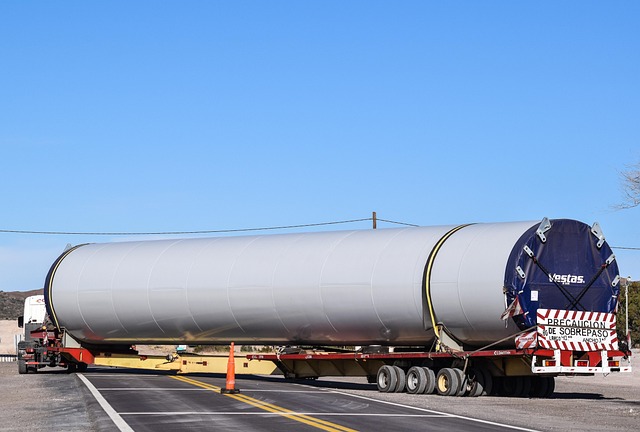
When conducting a call to verify trailer plate validity, best practices involve a systematic approach to ensure accuracy and efficiency. Start by inspecting the permanent trailer identification for any signs of damage or illegibility. Clear and readable plates indicate proper registration and ownership, reducing the likelihood of encountering issues with salvaged or junked vehicles. Verify the information against official records, such as those maintained by the California DMV, to confirm the details match across all platforms.
For added convenience, consider services like Quick Auto Tags that streamline junk vehicle registration. This authorized method bypasses the need for traditional title documents, especially when dealing with vehicles that lacks a valid title. By leveraging these resources, you can optimize your verification process and focus on ensuring every trailer plate is legitimate and up-to-date.
In conclusion, maintaining the validity of trailer plates through regular verification is paramount for ensuring safety, security, and compliance across various sectors. By employing efficient processes and best practices, such as leveraging permanent trailer identification systems, we can streamline operations while upholding legal standards. This comprehensive approach not only enhances overall efficiency but also contributes to a safer and more secure transportation landscape.


